
Our Teachers
Our teachers are the driving force behind the educational work of Agnes Katsianos School. They are at the heart of our educational philosophy — a team committed to learning, collaboration and continuous professional development.
On this page we present in detail the guiding principles, the roles, the research activity and the testimonials of our teaching team.
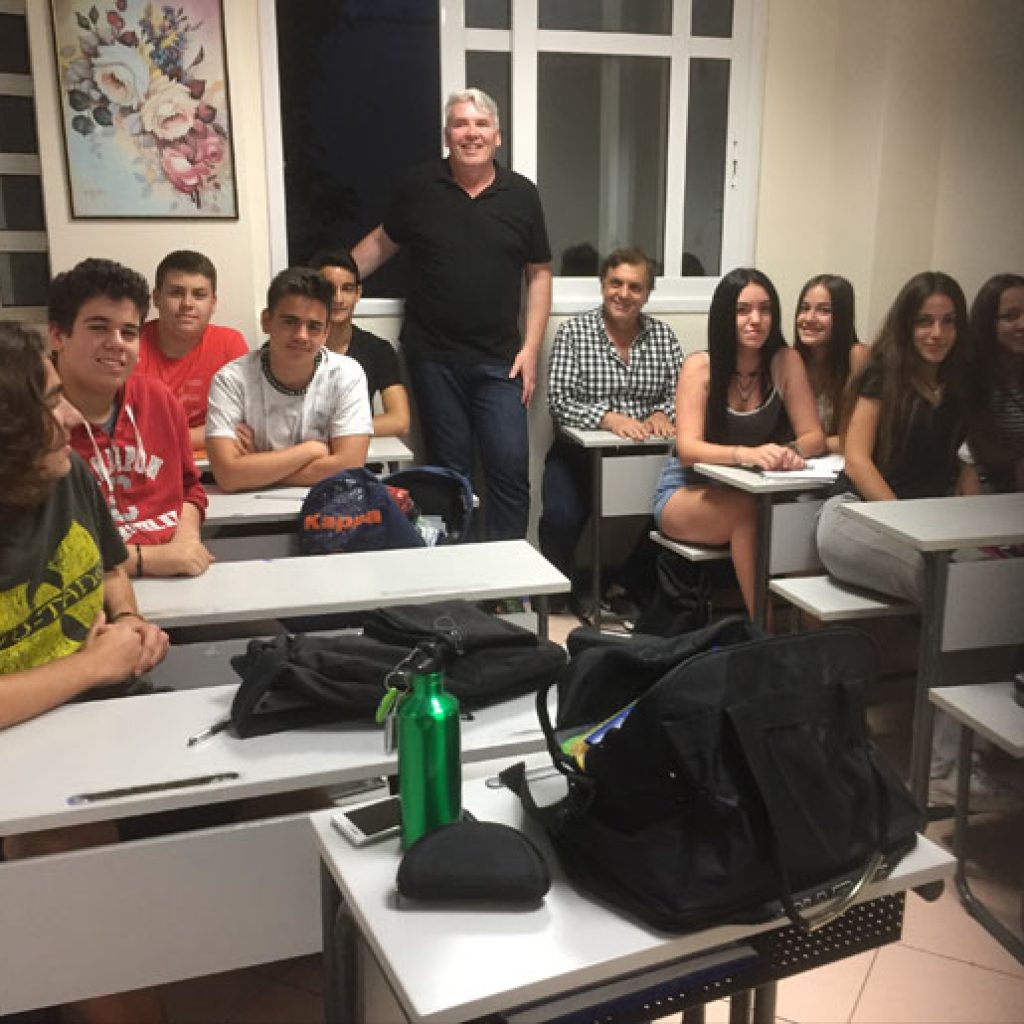
The driving force behind our educational work
According to Mr James (a senior teacher at our school for many years), every Agnes Katsianos School teacher meets the following criteria:
Passion for learning and teaching
The driving force behind every lesson: a love of knowledge and of sharing it.
Love for children
We treat our students as young people full of hopes and dreams — not as numbers on a register.
Autonomous learners for tomorrow
We prepare students who are autonomous and able to stand on their own feet in their future academic and professional lives.
Dedicated to language teaching
We are equally dedicated to teaching the language and to educating the whole student.
Dynamic and approachable
Dynamic, kind and always approachable, so that students can truly trust their teacher.
New techniques and technology
We embrace new techniques, ideas and technology as a means of more productive lessons.
Equal treatment for every learner
From the most talented to the most struggling student, we treat each one with the same care.
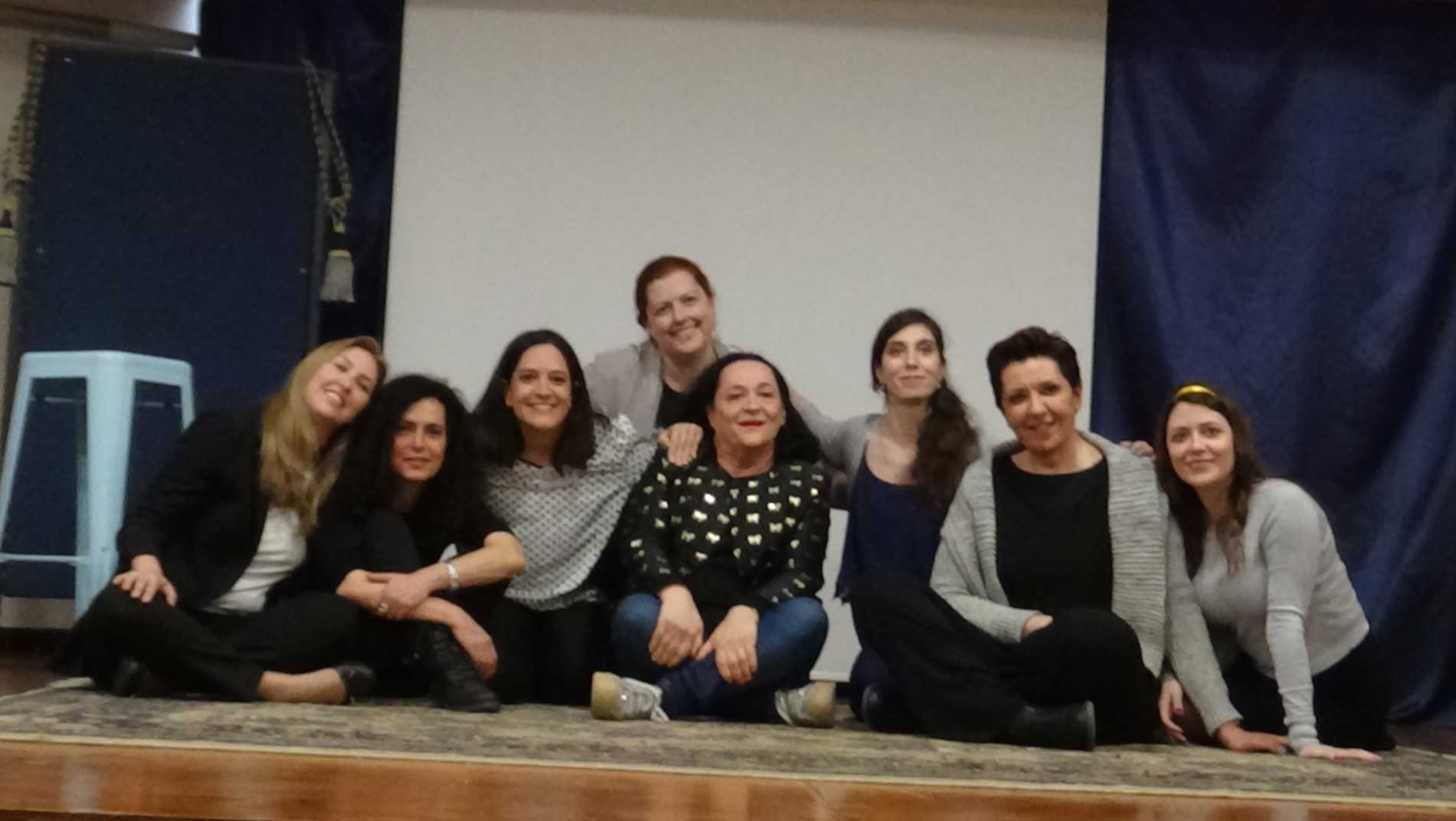
A team that shares knowledge
The teachers of Agnes Katsianos School are always ready to work together, share ideas and techniques, and pursue a common goal: helping their students realise their dreams.
Collaboration is not occasional — it is a foundational part of our school's culture and is reflected in every educational decision we make.
What shapes our identity in the classroom
Identity as language teachers
We develop our sense of identity as language teachers, drawing on our knowledge of the language and of teaching in an integrated way.
The classroom as a shared space
We don't see our classrooms (online or in person) as a private space, but as a space we share with colleagues and students.
Communication = recognising identity
"Every time students speak, listen, read or write, they are organising and recognising a sense of who they are and how they relate to the social world" (Norton, 2014).
A safe learning environment
We train our students to develop an identity of competence and we make sure all our actions emphasise a safe environment.
In other words, we teach our students how to disagree with respect, how to present a topic in class, how to approach a contested issue both in speech and in writing, and how to value one another.
Our teachers as researchers
At Agnes Katsianos School we follow an ongoing in-school approach. Our teachers are not just instructors — they are researchers of their own teaching practice.
Our research tools include:
- Classroom journals
- Observation by colleagues
- Observation by our teacher trainer, Dr. Agnes Katsianos
- Self-evaluation projects
- Research projects
- Collaborative projects
- Discussion of concerns
- Sharing of strategies
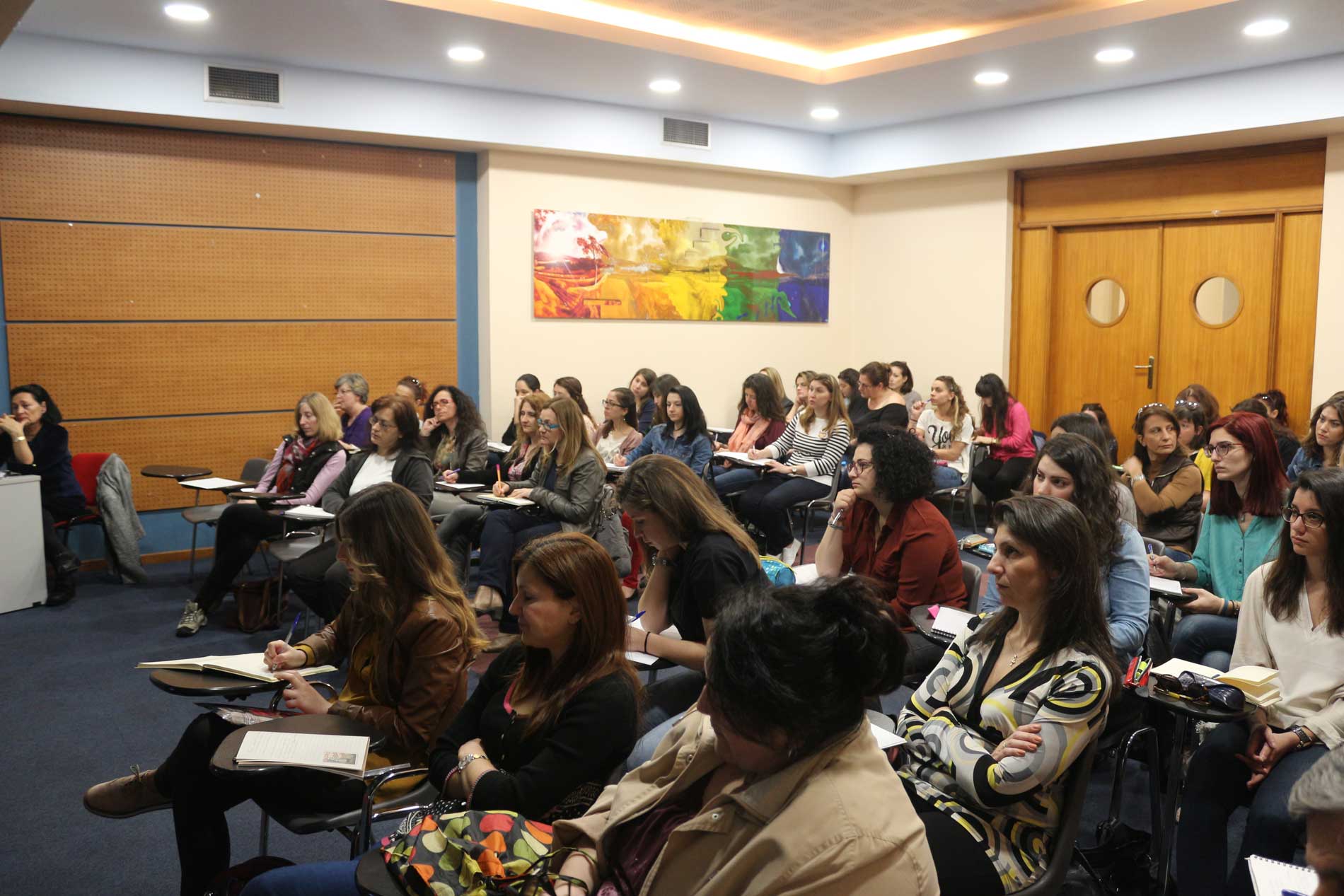
The topics we have researched
From 2006 to today, our team has worked each year on a different research focus within foreign language teaching.
- 2006–07
Case study on motivation; autobiography project
- 2007–08
Mediation and autonomous learning; case study
- 2008–09
Error correction project; case study
- 2009–10
Reflection and self-assessment; recorded lesson
- 2010–11
Reflection: CARG; questionnaires and diary keeping
- 2011–12
Indifferent student: research projects conducted by students; case study
- 2012–13
TEFL reading community: teachers present TEFL topics of their choice
- 2013–14
Peer observation: powerful tool for development
- 2014–15
Methods and approaches in TEFL: PowerPoint presentations
- 2015–16
Fostering LA in our school: reflection through questionnaire
- 2016–17
Fostering LA in CARGs: focus on error correction in readings and listening
- 2017–18
LA in the classroom: students' film presentations of their autonomous work
- 2018–19
Classroom research through teacher evaluation questionnaires
- 2019–20
Teacher development through peer observation / reflection reports
- 2020–21
Self-evaluation project via self-evaluation checklists (remedial teachers)
What our British teachers say
"Dear Mrs Agnes, thank you for your letter. Words may not be enough to describe how much I have come to appreciate the principles and system of our school. In the year after my CELTA I saw it all: schools with no books and no homework, no syllabus, promises of ECPE after a month of preparation. I knew our education and organisation were excellent, but I only fully appreciated it when I caught myself thinking 'I've done this before — and we did it far better.' Our school has values, structure and meaningful principles — which is what I believe in."
"I'll speak about the core classroom principles I'll keep from my training and my experiences at Agnes Katsianos School. I learned the need for continuous effort towards professional development, the importance of self-reflection, the value of collaboration with colleagues and the use of genuine enthusiasm in every task. Mrs Agnes was always willing to provide advice and help whenever needed."
"In every meeting I had with you, Mrs Agnes, your love for the subject and for your teachers and students was strong and clear — and always deeply engaging and inspiring."
My roles as an Agnes Katsianos School teacher
How do I see my role in the classroom? At our school the teacher combines multiple roles — and each of them serves the same goal: learning.
Model
Using examples of how the language can be used and giving feedback on students' language use.
Source of knowledge
Providing reliable information about English and language use.
Artist
Creating lessons that show careful planning and inspired delivery.
Manager
Monitoring and managing the classroom dynamic to increase learning opportunities.
Apprentice
Through experience we learn more and more about teaching.
Reflective practitioner
We process our teaching practices and reshape them.
Mentor
We guide our students towards successful learning strategies and methods.
Motivator
We provide experiences that motivate and spark our students' interest.
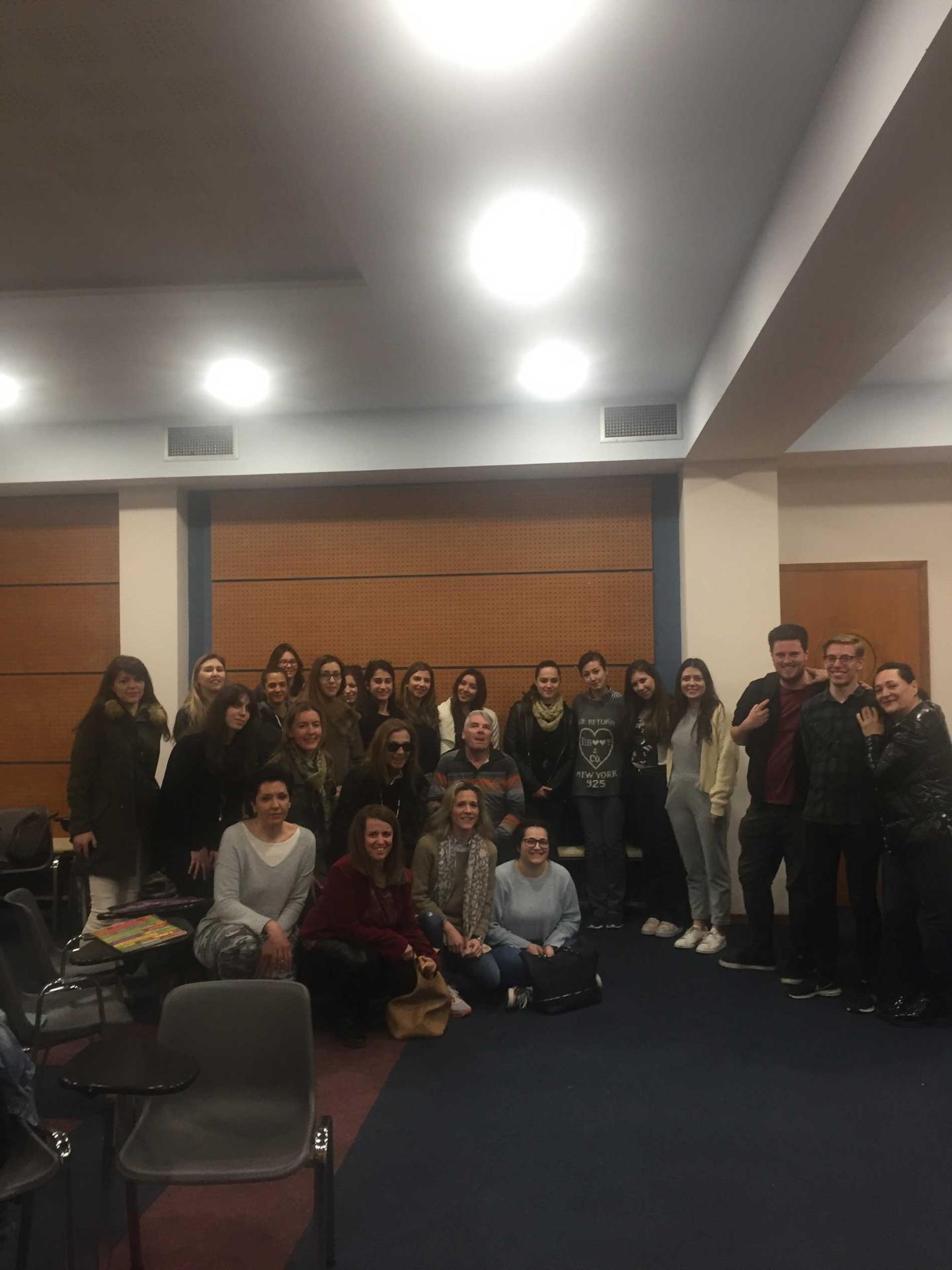
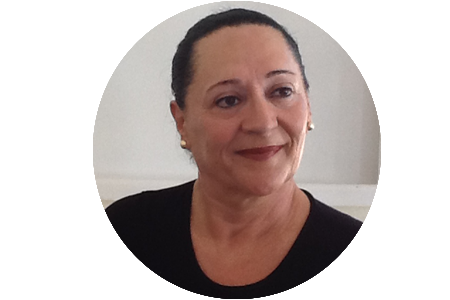
Dr. Agnes Katsianos
Director of Studies & Teacher Trainer
She guides our teachers through systematic observation, mentoring and ongoing professional development.
We never forget the 9 types of intelligence in each learner
Every student learns differently. Our teachers take the different forms of intelligence into account so that every learner finds their own road to knowledge.
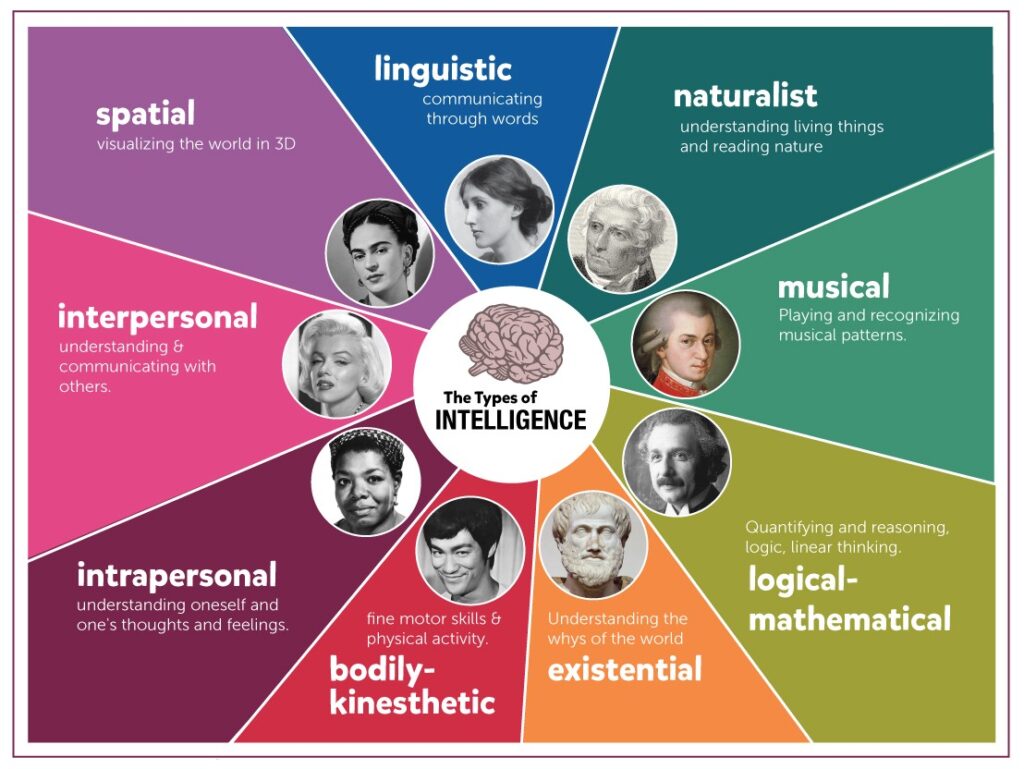
Naturalistic intelligence
Sensitivity to the natural world — hunters, farmers, chefs, biologists.
Musical intelligence
Sensitivity to rhythm, sound and melody — musicians, composers.
Mathematical / Logical intelligence
Logical thinking and the search for meaning — scientists, philosophers.
Interpersonal intelligence
Ability to communicate effectively — teachers, politicians, actors.
Bodily – Kinesthetic intelligence
Control of body and movement — dancers, athletes, surgeons.
Linguistic intelligence
Love of language — writers, poets, journalists, public speakers.
Intra-personal intelligence
Deep knowledge of oneself, of one's capabilities and limits.
Spatial intelligence
Perception of space and dimensions — pilots, sailors, architects.
Existential intelligence
Reflection on the big questions of existence and meaning.
Teachers for today's global world
The educators of Agnes Katsianos School understand the needs of students in the new global world and find ways to integrate global awareness into the classroom.