Teaching Method
Our educational approach is grounded in contemporary pedagogical theory, in the active participation of the learner, in autonomy, in collaboration and in the meaningful use of language. The method applies across all five languages taught at our school.
DISTINCTIVE CHARACTERISTICS OF OUR METHOD
Deep Processing & Emotional Connection
We believe deeply in the principle of deep processing: "when the heart and the mind meet in the classroom (emotional and cognitive connection), language learning becomes magical." With love, consistency and sincerity — proven by thousands of successes and the breadth of our educational offering — and with full respect for team spirit and the views of our colleagues, we strive for the continuous development of every student and teacher.
British teachers in every class
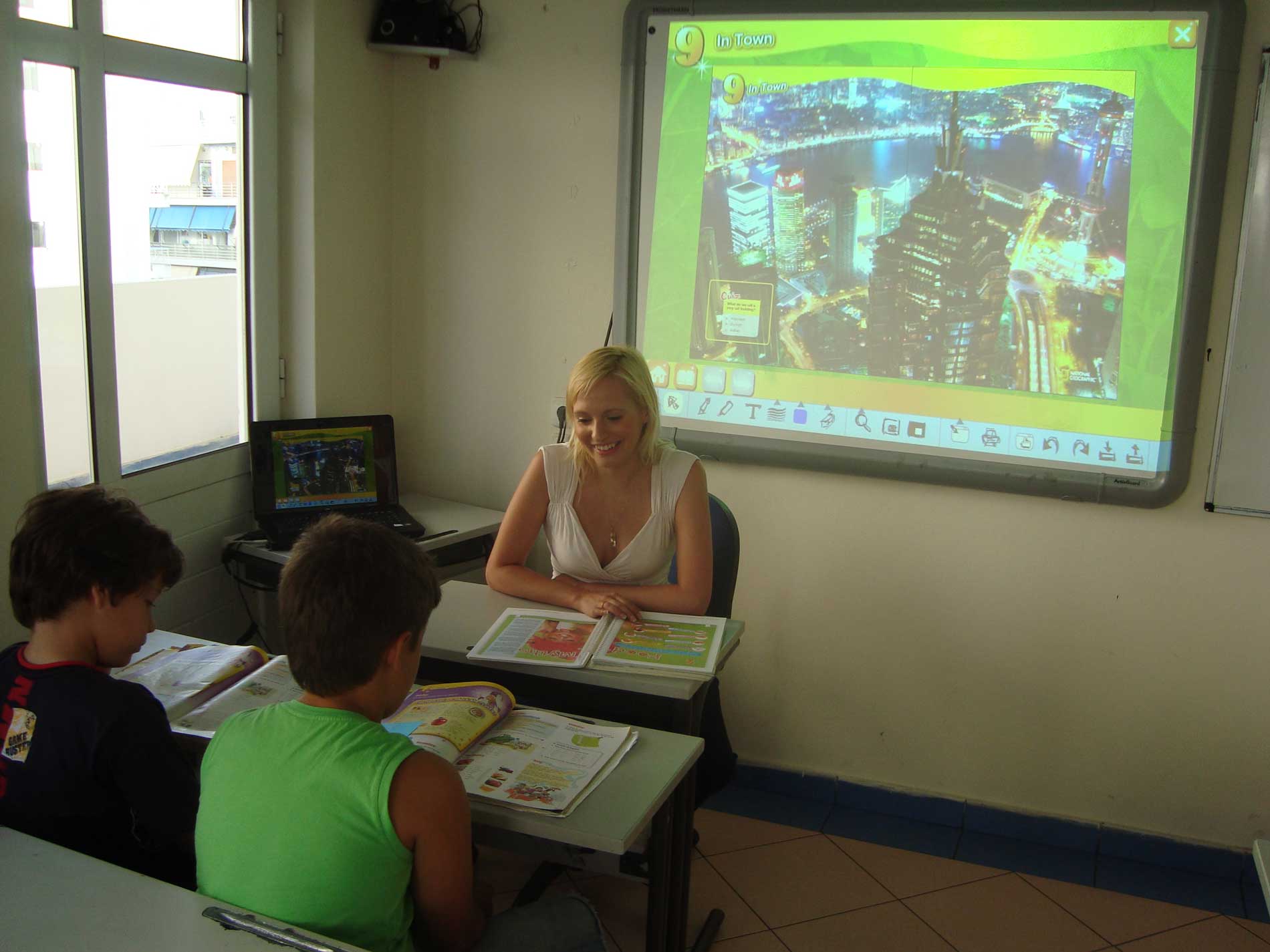
We provide British native-speaker teachers from Pre-Junior all the way through to the Proficiency class.
Cambridge & Michigan distinctions
In the Cambridge examinations our students achieve outstanding results. Our school has been awarded as a school of excellence by the British Council, and received a corresponding distinction from the Hellenic American Union for the Michigan certification.
Greek teachers with academic credentials
Our Greek teachers hold strong academic qualifications, possess exceptional personal qualities and follow continuous professional development that is fully aligned with the spirit of the school.
Individualized teaching / learning
We adapt to the needs of each individual student (individualized teaching/learning) so that they can succeed in their certification exams in the shortest possible time.
Modern, living and experiential study
We deliver a programme that is contemporary and alive, scientific and experiential, with reliable knowledge and strong technological competence.
Active student roles from year one
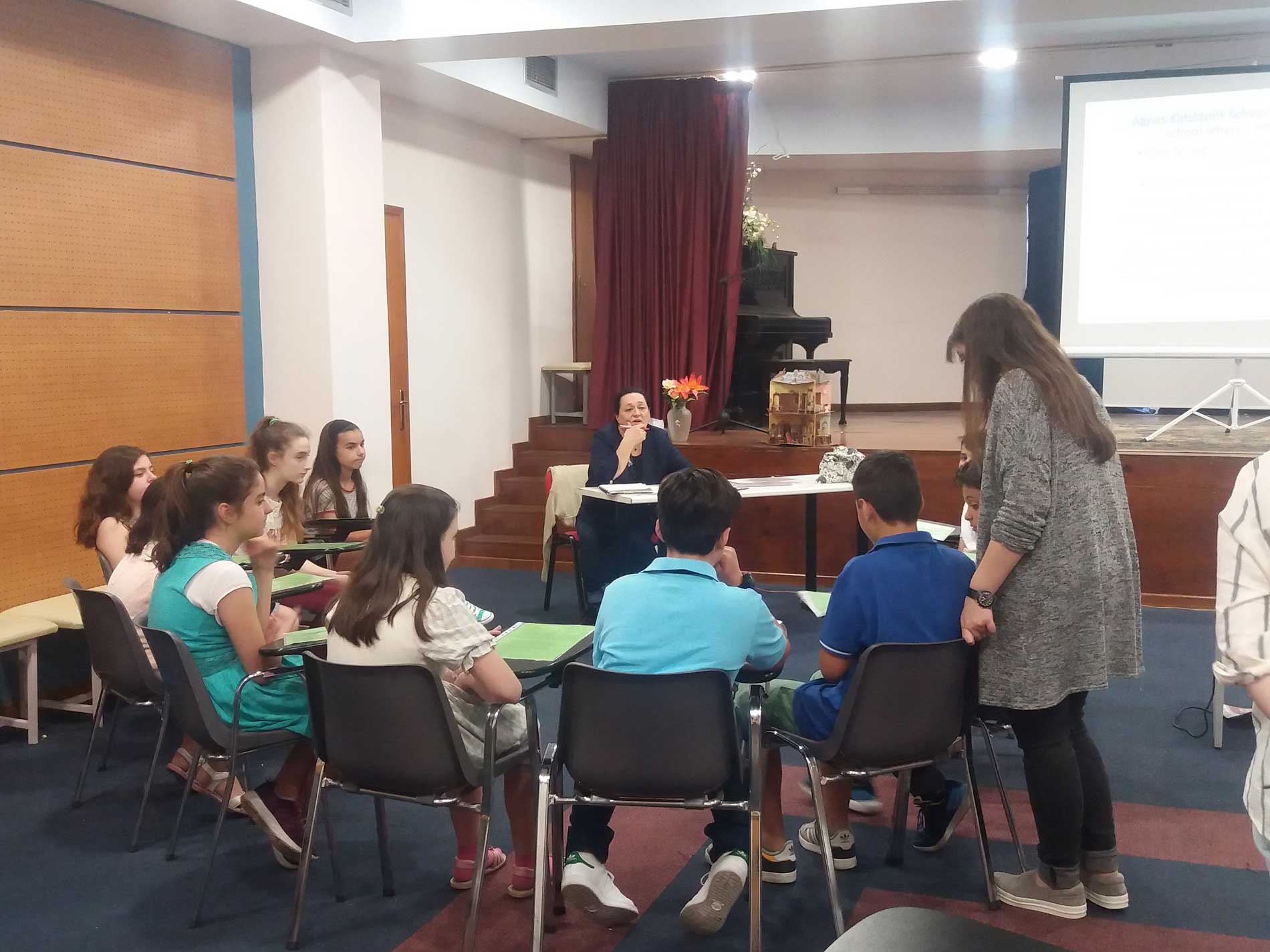
Students at Agnes Katsianos School take on meaningful roles from their very first year — in activities, presentations, theatre performances, public-speaking practice and autonomous learning.
Preparing for the future
We prepare our children for the future — with science, with values, with culture.
Constructivist Theory
Our educational system is based primarily on Constructivist Theory and on the socio-cultural theory of educational philosophers Dewey and Vygotsky.
According to these theories, the learner takes an active role in their learning journey and constructs knowledge from their experience. Constructivism acknowledges the uniqueness of the learner and encourages them to contribute to the learning process and reach their own version of the truth. At the same time, students learn to recognise their personal responsibilities within the small community of their English, French, German, Italian or Spanish class.
Active learner role
The student takes an active part in their learning journey rather than passively receiving information.
Knowledge through experience
The student constructs knowledge through lived experience and active enquiry.
Uniqueness of the learner
Each learner is recognised as unique and encouraged to reach their own version of the truth.
Personal responsibility
Students learn to recognise their personal responsibilities within the small community of their class.
Blended Learning & Flipped Classroom
We make use of Blended Learning and the Flipped Classroom — a new educational model that transforms the home–classroom relationship and activates the learner at every level.
Active participation
Students participate dynamically throughout the learning process.
Sustained motivation
Activities that energise students and keep their interest alive.
Classroom interaction
Continuous communication and collaboration between members of the class.
Autonomous learning
Development of self-regulation and personal ownership of learning.
Bloom's Taxonomy
Learning is organised into six cognitive levels. The first two (lower-order skills) are worked on at home following a Behaviourist (Skinner) approach. The higher-order skills are cultivated in class — so that learners don't stay at the level of memorisation, but apply, analyse, evaluate and create.
Recall
Remember
The student recalls knowledge and uses information they have retained from their teacher or other sources. Memorisation is tested.
Comprehension
Comprehension
The student understands meaning, interprets and explains what happens, describes, makes sense of and summarises content.
Application
Application
Requires knowledge and understanding. Tests the student's ability to use knowledge that has not only been memorised but understood — it becomes a tool.
Analysis
Analysis
The student compares, contrasts and identifies relationships between ideas and pieces of information.
Evaluation
Evaluation
The student appraises, critiques a view and argues for or against a proposition.
Creation
Creation
The student produces something new, combines ideas and creates their own work.
Connecting home and classroom
Connectivity is the magic word of the flipped classroom — and the thing most teachers find hardest. The aim is for the work students remember and understand at home (recall, comprehension) to be ready for them to apply, analyse, evaluate and create in class. The class becomes the place where deeper thinking happens, not the place where new content is first delivered.
Native speakers and Greek teachers, together
Throughout the English programme, students work with both British native-speaker teachers and Greek teachers. This combination gives them authentic exposure to the language while keeping the systematic structure of preparation for certification.
- Authentic pronunciation from native speakers
- Systematic practice of spoken language
- Systematic practice of written language
- A wide variety of activities and tasks
- Methodical guidance from Greek teachers
- Comprehensive support at every level
How British educators see our school
Notes from a British educator after visiting the school and speaking with Dr. Agnes Katsianos. The points describe the school's culture and pedagogical identity.
“The word that kept coming to my mind as I was writing this piece is mission. For you, the school is undoubtedly a mission, with an intense sense of passion running through everything you do.”
— F.B., British educator
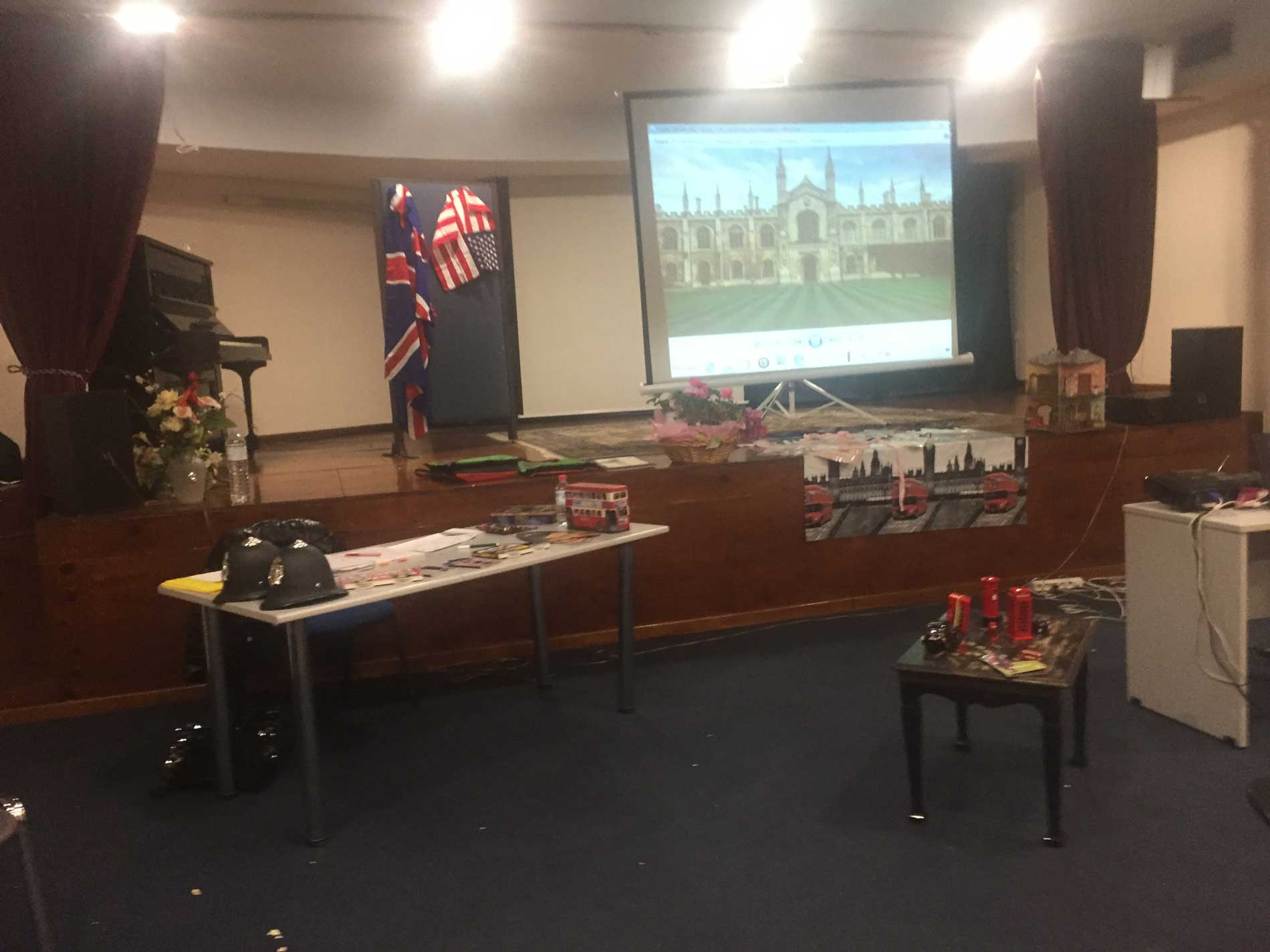
“Dear Agnes, the following points emerged during our conversation yesterday and are still fresh in my mind — clear elements of the culture of Katsianos School. The points are not listed in order of importance.”
In conclusion, the cultural paradigm of AGNES KATSIANOS SCHOOLencompasses all of the above. A simple definition of culture is “the way you do things” — and the points above describe exactly that.
With appreciation, F.B.
Meet our teachers
The method comes alive through the people who deliver it. Our teachers — Greek and native speakers — share a common philosophy, ongoing professional development and a personal relationship with every student.
Meet our teachers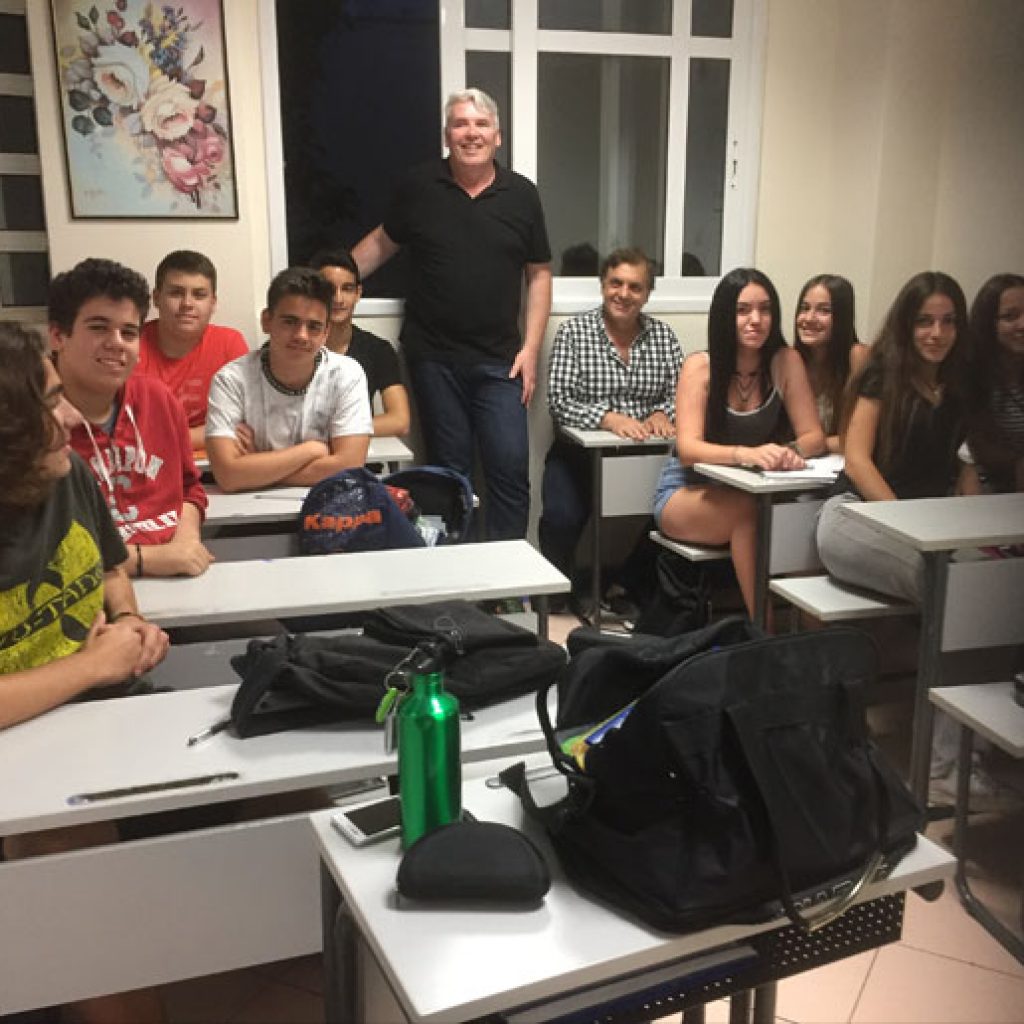
Our method in action
Moments from classrooms, theatre events, role-play activities and meetings of our teaching team.
Everything that makes up our method
Our educational approach combines pedagogical theory, experiential learning, learner autonomy, collaboration, native speakers alongside Greek teachers, projects, values and continuous educational development.